Commercial Cleaning Robots in Quebec | KUBY
// COMMERCIAL CLEANING ROBOTS IN QUEBEC

AUTONOMOUS CLEANING
BUILT FOR REAL OPERATIONS.

Commercial cleaning robots help Quebec businesses maintain cleaner, safer and more consistent facilities while reducing the amount of repetitive floor care assigned to employees. KUBY evaluates your environment, recommends the right robot, configures it on-site and supports your team throughout deployment.

Large commercial facility suitable for autonomous cleaning robots in Quebec
AUTONOMOUS FLOOR CARE

WHAT IS A COMMERCIAL
CLEANING ROBOT?

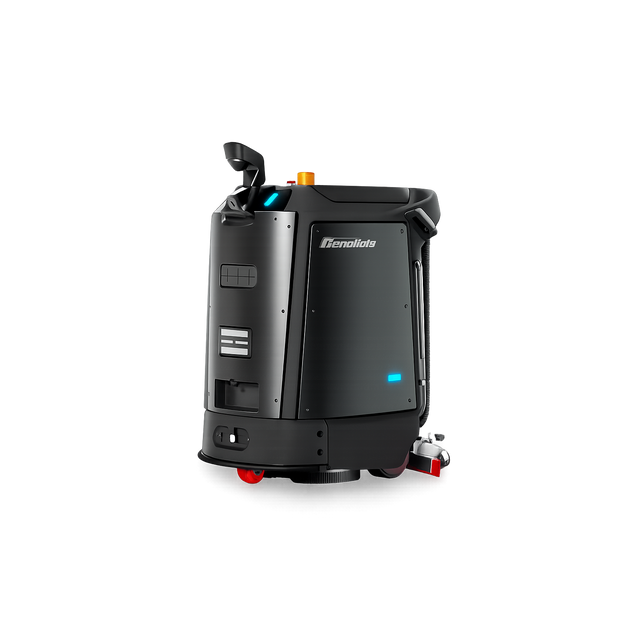
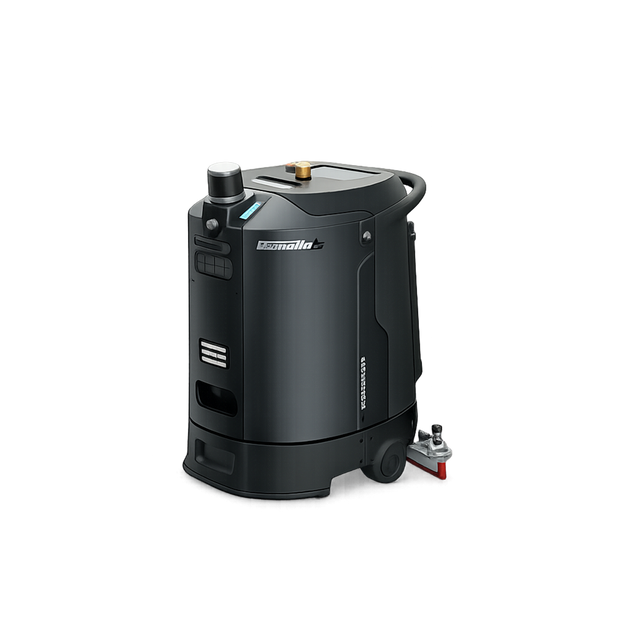
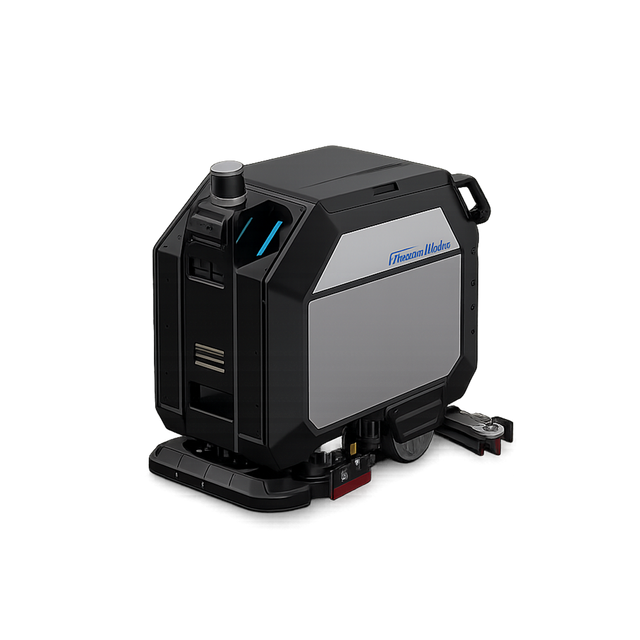
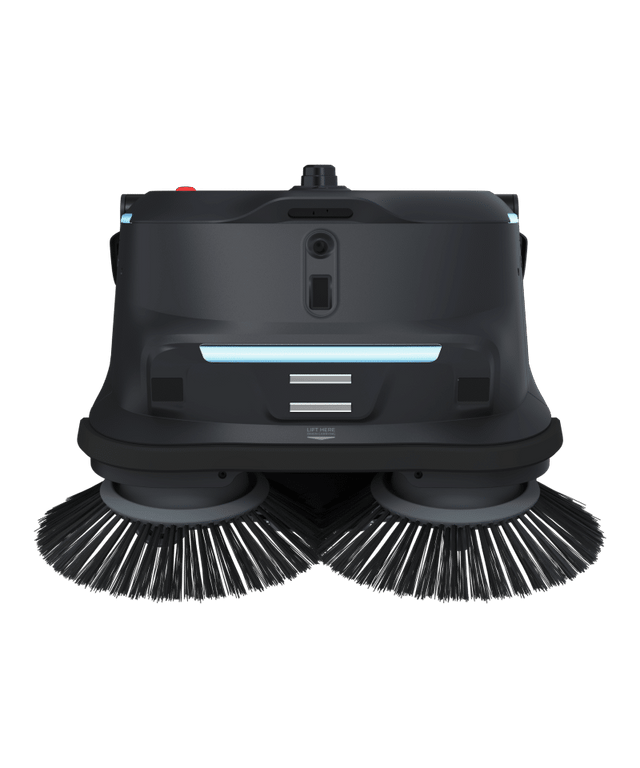
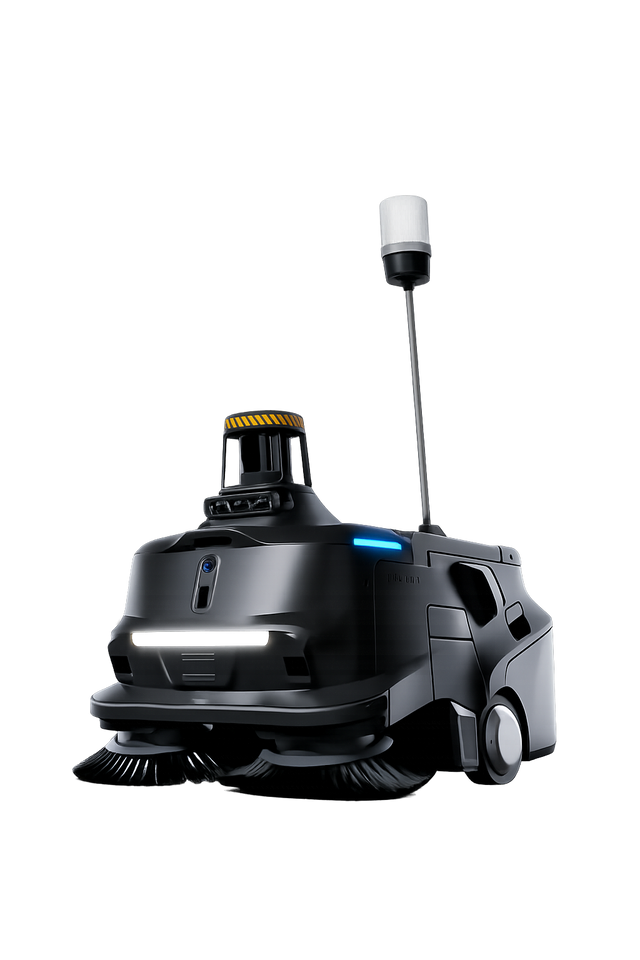
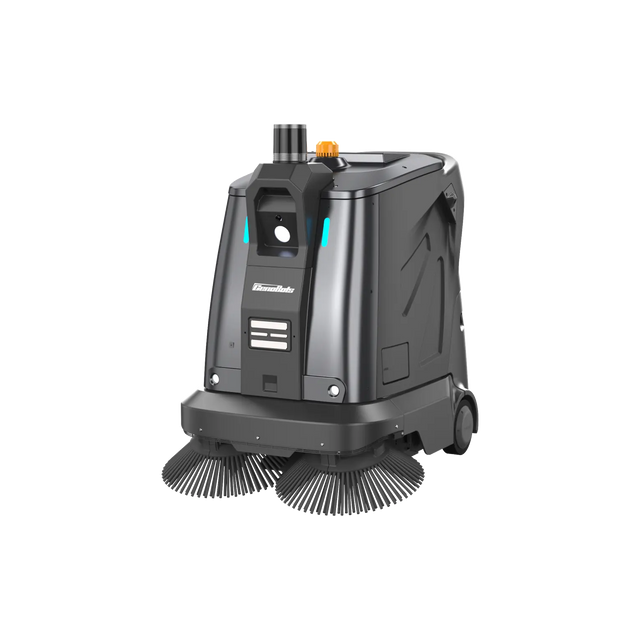
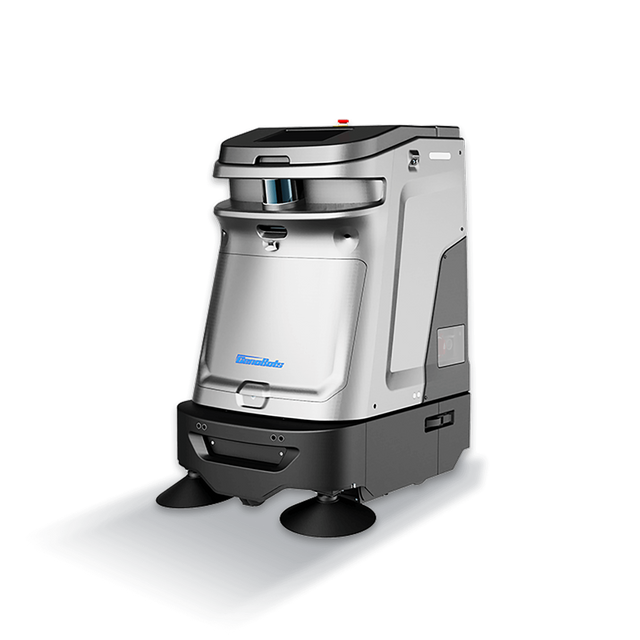
A commercial cleaning robot is an autonomous machine designed to perform repetitive floor care tasks in professional environments. Depending on the model, it can sweep, vacuum, scrub, wash and target specific areas that need additional attention.

Unlike a residential robot vacuum, a commercial platform is designed for larger surfaces, longer operating cycles, heavier traffic and more demanding floor conditions. It uses sensors, cameras, LiDAR or other navigation technologies to map the site, follow approved routes, detect obstacles and adapt to activity around it.

The objective is not simply to replace a conventional floor machine. The robot becomes part of a structured cleaning process. It handles predictable and repetitive routes while employees remain available for detailed cleaning, sanitation, inspections, restocking and tasks requiring human judgment.

  • Consistent cleaning according to a programmed schedule
  • Reduced repetitive walking and machine operation
  • Better use of available labour
  • Documented routes and operating data
  • Flexible daytime, evening or overnight operation
COMPATIBLE ENVIRONMENTS

WHERE COMMERCIAL CLEANING ROBOTS CREATE VALUE

Autonomous cleaning is most effective in environments with recurring routes, measurable floor space and a regular need for sweeping, vacuuming or scrubbing.

01

Warehouses and Distribution Centres

Long aisles, large open zones and recurring dust make warehouses strong candidates for programmed autonomous cleaning.

02

Manufacturing Facilities

Robots can maintain approved circulation areas while employees focus on production, safety and specialized maintenance.

03

Retail and Shopping Centres

Frequent cleaning can be scheduled before opening, during quieter periods or in specific high-traffic zones.

04

Hotels and Public Buildings

Lobbies, hallways and common spaces benefit from consistent cleaning without assigning every pass to an employee.

05

Healthcare and Senior Living

Robots can support structured floor care protocols in approved areas while staff retain responsibility for sanitation and clinical requirements.

06

Schools and Campuses

Large corridors, cafeterias, gyms and common areas can be cleaned on repeatable schedules after peak occupancy.

A site does not need to be completely open or empty. The best candidate is a facility with enough repeatable floor area, predictable circulation patterns and a clear operational need. KUBY validates these conditions during the assessment and demonstration stage.
CORE CLEANING FUNCTIONS

SWEEPING, VACUUMING, SCRUBBING AND SPOT CLEANING

The right configuration depends on the type of debris, floor finish, traffic level and cleaning standard required in your building.

01

Sweeping

Collects dust, crumbs and loose debris from hard floors before they accumulate or interfere with washing.

02

Vacuuming

Removes dust and fine particles from compatible flooring, entrance zones, corridors and commercial spaces.

03

Scrubbing and Washing

Applies water and cleaning solution, agitates the surface and recovers dirty water during the same pass.

04

Localized Cleaning

Allows designated zones or spills to receive extra attention instead of restarting a complete route.

SOLUTION COMPARISON

AUTONOMOUS ROBOT VS. MANUAL EQUIPMENT

Every solution has a role. The best approach often combines human flexibility, productive equipment and autonomous cleaning for repeatable tasks.

Solution Advantages Limitations Best Use
Manual Cleaning Flexible, easy to redirect and suitable for detailed work. Depends on labour availability, consistency and physical effort. Small areas, stairs, washrooms, edges and detailed cleaning.
Ride-On Equipment Highly productive over large floor areas. Requires a trained operator during every cleaning cycle. Large surfaces requiring direct human control.
Autonomous Robot Consistent, programmable and able to repeat approved routes. Requires an initial investment, mapping and an appropriate environment. Repetitive cleaning routes in commercial and industrial facilities.
Autonomous robots do not eliminate the need for a cleaning team. They reduce the time spent repeating predictable routes so employees can complete higher-value and more detailed work.
CHOOSING THE RIGHT ROBOT

THE DECISION STARTS WITH YOUR FACILITY

Selecting a robot based only on its product sheet can lead to poor results. KUBY evaluates the actual environment, process and expectations before recommending a model.

Total Cleanable Surface

Usable floor area determines the required productivity, tank capacity, battery autonomy and number of cleaning cycles.

Floor Type and Condition

Polished concrete, tile, vinyl, commercial carpet and uneven surfaces may require different brushes, suction systems and cleaning modes.

Aisle Width and Obstacles

The robot must circulate safely through doors, aisles, displays, columns, machinery and changing traffic patterns.

Debris and Soil Level

Fine dust, packaging debris, food residue, tracked-in dirt and oily marks do not require the same cleaning system.

Operating Schedule

Some facilities need cleaning overnight, while others benefit from multiple short missions during the day.

Labour and Process Objectives

The project should solve a defined issue such as staffing pressure, inconsistent coverage, excessive walking or underused equipment.

SURFACE, AUTONOMY AND CHARGING

A ROBOT MUST FIT THE DAILY WORKLOAD

Battery life should never be evaluated in isolation. A robot may operate for several hours, but the true capacity depends on cleaning mode, floor resistance, speed, water consumption, route complexity and the time required to refill or empty tanks.

For a smaller facility, one complete cycle may be enough. A larger site may require several missions, planned charging periods or an automated docking station. Some configurations can return to a station to recharge and, depending on the model, manage water or waste functions.

  • Measure the actual cleanable area, not only total building size
  • Separate open areas from narrow or restricted zones
  • Identify peak traffic and available cleaning windows
  • Confirm access to power, water and drainage when required
  • Plan a secure location for charging and daily maintenance

QUESTIONS TO ANSWER BEFORE A DEMO

To make the on-site evaluation more useful, prepare the following information:

  • Approximate floor area in square feet or square metres
  • Main floor materials
  • Current cleaning schedule
  • Number of employees assigned to floor care
  • Known bottlenecks or difficult zones
  • Preferred operating hours
  • Required cleaning frequency
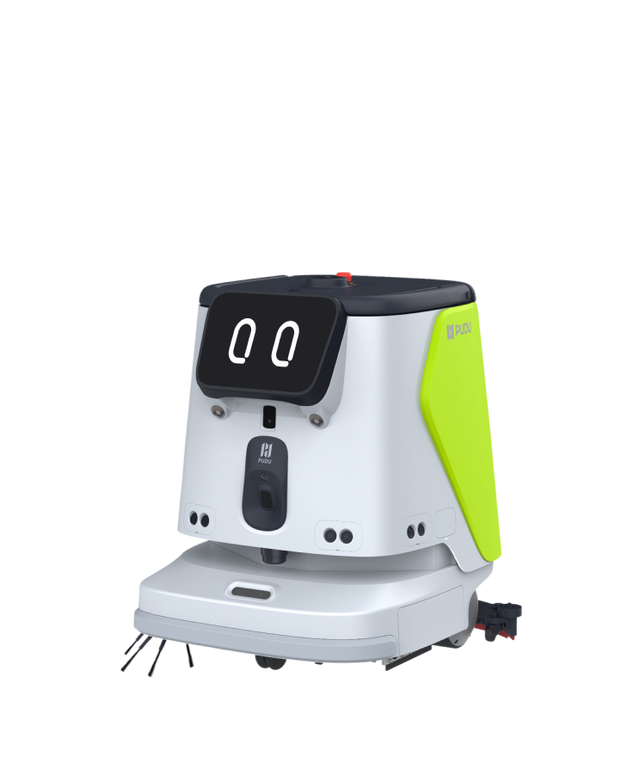
PUDU CC1 Pro commercial cleaning robot available through KUBY in Quebec
FEATURED COMMERCIAL SOLUTION

CC1 PRO: MULTIFUNCTION CLEANING

The CC1 Pro is designed to combine several floor care functions within one autonomous platform. It can support sweeping, vacuuming, scrubbing and washing tasks in commercial environments where repeatable cleaning routes create measurable operational value.

The best model still depends on the facility. KUBY may recommend another cleaning platform when the site has narrower aisles, different debris, specialized floor conditions or a different productivity target.

Core Functions 4-IN-1 CLEANING
Application COMMERCIAL FACILITIES
Deployment MAPPED ON-SITE
Support KUBY INTEGRATION
PRICING AND FINANCING

PURCHASE, RENTAL AND FINANCING OPTIONS

Commercial cleaning robot pricing varies according to the model, accessories, docking equipment, site complexity and support package. A meaningful quote should be based on the real facility and expected cleaning workload.

WHAT IS INCLUDED IN A TYPICAL PROJECT?

Robot and Accessories Brushes, pads, charging equipment, optional station and required consumables.
Site Assessment Review of floor area, routes, traffic, obstacles, cleaning process and operating conditions.
Mapping and Configuration Creation of approved zones, routes, schedules, no-go areas and cleaning parameters.
Training Employee instruction for launching missions, daily care, troubleshooting and escalation.
Support Technical assistance, software adjustments and optimization after deployment.
Financing Structure Purchase, rental or financing may be evaluated according to the selected solution and project scope.
KUBY provides a project-specific proposal after the facility assessment. This avoids presenting a misleading price that does not reflect the required robot, installation conditions or support level.
INSTALLATION AND CONFIGURATION

WHAT CAN AFFECT DEPLOYMENT COSTS?

Installation is more than turning on the robot. The environment must be mapped, tested and adapted to support reliable daily operation.

01

Facility Complexity

Multiple zones, narrow passages, elevators, changing layouts and dense traffic may require additional validation.

02

Docking Requirements

A standard charger is simpler than an automated station requiring dedicated space, water, drainage or electrical preparation.

03

Training and Support

Multi-shift operations, several supervisors or more advanced workflows can require additional training and follow-up.

IMPLEMENTATION PROCESS

HOW A KUBY DEPLOYMENT WORKS

A structured implementation reduces surprises and helps the robot become part of the normal cleaning process.

01

Initial Discussion

KUBY reviews your facility, current cleaning method, labour challenges, floor conditions and performance objectives.

02

On-Site Assessment

The team validates routes, widths, obstacles, charging location, water access and the areas most suitable for autonomous cleaning.

03

Demonstration and Validation

A robot is tested under real conditions so decision-makers can evaluate navigation, cleaning quality and operational fit.

04

Robot Selection and Proposal

KUBY recommends the model, accessories, support and acquisition structure that match the project.

05

Mapping and Configuration

Cleaning zones, routes, schedules, restricted areas and task parameters are configured for the site.

06

Employee Training

Operators and supervisors learn how to launch missions, perform routine care and respond to notifications.

07

Launch and Optimization

Performance is reviewed after deployment, and routes or schedules can be adjusted based on actual operating data.

KUBY RESULTS

FROM DEMONSTRATION TO MEASURABLE VALUE

The strongest business case is based on your current cleaning hours, floor area, service frequency and labour allocation.

ILLUSTRATIVE DEPLOYMENT FRAMEWORK

COMMERCIAL FACILITY IN QUEBEC

A Quebec facility with a large recurring floor area may deploy an autonomous cleaning robot to complete scheduled routes during low-traffic periods. The robot handles repeated floor passes while the cleaning team focuses on edges, detailed work, sanitation and areas that require manual attention.

During the validation phase, KUBY measures route feasibility, cleaning quality, employee interaction and the number of manual hours that can be reassigned. Final results depend on the site and must be confirmed after deployment.

Replace this illustrative section with a named KUBY client, robot model, sector and verified results as soon as the case study is approved for publication.
REPEATABLE ROUTES Programmed according to actual floor zones and operating hours.
LESS REPETITIVE WALKING Employees spend less time following the same floor path.
MORE CONSISTENCY Approved cleaning missions can be repeated on a defined schedule.
BETTER TASK ALLOCATION Human effort remains focused on detailed and higher-value work.
FREQUENTLY ASKED QUESTIONS

COMMERCIAL CLEANING ROBOTS FAQ

No. The robot is best used as an assistant for repetitive floor care. Employees remain essential for detailed cleaning, sanitation, inspections, stairs, edges and situations requiring human judgment.
Many commercial robots are designed to detect obstacles and operate around normal activity. However, routes, speed and schedules must be validated according to traffic density and site safety requirements.
The robot uses its sensors and navigation system to slow down, stop or adjust its route. Permanent obstacles and restricted zones can also be incorporated into the map.
Compatibility depends on the robot and cleaning system. Common applications include polished concrete, tile, vinyl and other commercial hard floors. Some models also support vacuuming on compatible surfaces.
Capacity varies according to the model, cleaning mode, route complexity, floor resistance, battery use and tank management. KUBY calculates usable productivity during the assessment.
Connectivity requirements vary by model and feature. KUBY confirms network, software and remote-support requirements before installation.
Yes, when the facility, security procedures and operating conditions allow it. Overnight operation can be useful for large routes with minimal traffic.
The timeline depends on site complexity, robot availability, mapping, training and infrastructure requirements. KUBY provides a project timeline after the assessment.
Typical tasks may include emptying waste, refilling clean water, draining dirty water, checking brushes or pads and cleaning sensors. Exact requirements depend on the selected model.
Multi-floor operation may be possible with compatible equipment and integration, but it must be reviewed case by case. Many projects initially assign one robot to a single floor or connected area.
KUBY can review available purchase, rental or financing structures according to the robot, project scope and current commercial options.
ROI should consider current floor-cleaning hours, labour cost, cleaning frequency, equipment use, productivity, overtime, recruitment pressure and the value of reallocating employees to other tasks.
Yes. An on-site demonstration is the best way to validate navigation, cleaning quality, space compatibility and employee interaction before proceeding.
ON-SITE DEMONSTRATION IN QUEBEC

SEE HOW AUTONOMOUS CLEANING
PERFORMS IN YOUR FACILITY.

KUBY will review your floor area, cleaning process and operational objectives, then recommend a robot and demonstrate it under real conditions. Get practical answers before making an investment decision.